

[ad_1]
AI programs are more and more being deployed in safety-critical well being care conditions. But these fashions generally hallucinate incorrect data, make biased predictions, or fail for surprising causes, which might have severe penalties for sufferers and clinicians.
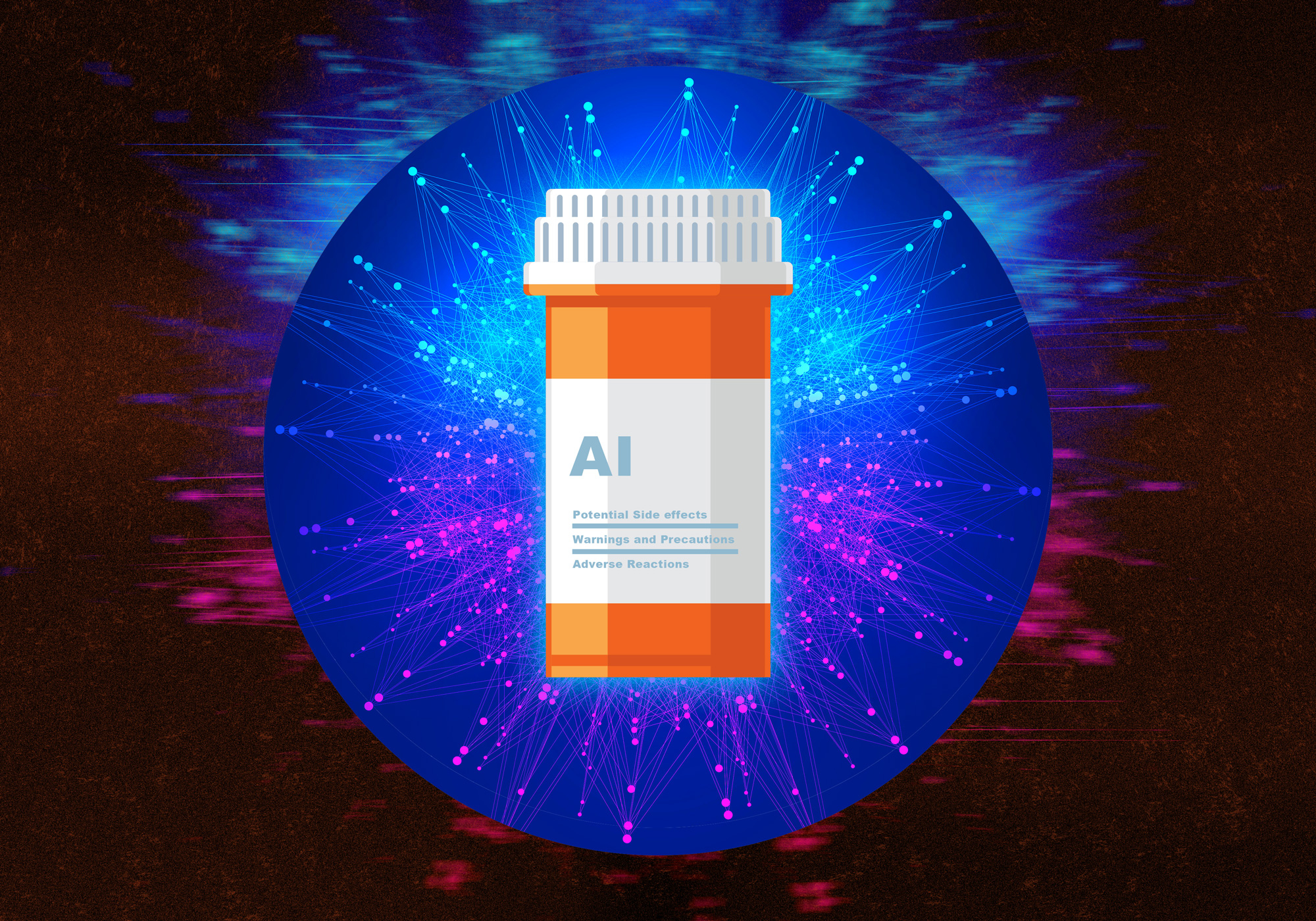
In a commentary article revealed in the present day in Nature Computational Science, MIT Affiliate Professor Marzyeh Ghassemi and Boston College Affiliate Professor Elaine Nsoesie argue that, to mitigate these potential harms, AI programs must be accompanied by responsible-use labels, much like U.S. Meals and Drug Administration-mandated labels positioned on prescription medicines.
MIT Information spoke with Ghassemi concerning the want for such labels, the data they need to convey, and the way labeling procedures might be carried out.
Q: Why do we want accountable use labels for AI programs in well being care settings?
A: In a well being setting, now we have an fascinating state of affairs the place medical doctors typically depend on expertise or remedies that aren’t totally understood. Typically this lack of awareness is key — the mechanism behind acetaminophen as an example — however different occasions that is only a restrict of specialization. We don’t anticipate clinicians to know methods to service an MRI machine, as an example. As an alternative, now we have certification programs via the FDA or different federal companies, that certify using a medical gadget or drug in a particular setting.
Importantly, medical gadgets additionally have service contracts — a technician from the producer will repair your MRI machine whether it is miscalibrated. For accepted medicine, there are postmarket surveillance and reporting programs in order that hostile results or occasions will be addressed, as an example if lots of people taking a drug appear to be creating a situation or allergy.
Fashions and algorithms, whether or not they incorporate AI or not, skirt loads of these approval and long-term monitoring processes, and that’s one thing we must be cautious of. Many prior research have proven that predictive fashions want extra cautious analysis and monitoring. With more moderen generative AI particularly, we cite work that has demonstrated technology will not be assured to be applicable, strong, or unbiased. As a result of we don’t have the identical stage of surveillance on mannequin predictions or technology, it will be much more troublesome to catch a mannequin’s problematic responses. The generative fashions being utilized by hospitals proper now might be biased. Having use labels is a technique of making certain that fashions don’t automate biases which might be realized from human practitioners or miscalibrated scientific determination help scores of the previous.
Q: Your article describes a number of elements of a accountable use label for AI, following the FDA strategy for creating prescription labels, together with accepted utilization, elements, potential unintended effects, and so on. What core data ought to these labels convey?
A: The issues a label ought to make apparent are time, place, and method of a mannequin’s meant use. As an illustration, the consumer ought to know that fashions have been educated at a particular time with information from a particular time level. As an illustration, does it embrace information that did or didn’t embrace the Covid-19 pandemic? There have been very totally different well being practices throughout Covid that might affect the information. This is the reason we advocate for the mannequin “elements” and “accomplished research” to be disclosed.
For place, we all know from prior analysis that fashions educated in a single location are likely to have worse efficiency when moved to a different location. Realizing the place the information have been from and the way a mannequin was optimized inside that inhabitants can assist to make sure that customers are conscious of “potential unintended effects,” any “warnings and precautions,” and “hostile reactions.”
With a mannequin educated to foretell one consequence, understanding the time and place of coaching might enable you to make clever judgements about deployment. However many generative fashions are extremely versatile and can be utilized for a lot of duties. Right here, time and place will not be as informative, and extra specific course about “circumstances of labeling” and “accepted utilization” versus “unapproved utilization” come into play. If a developer has evaluated a generative mannequin for studying a affected person’s scientific notes and producing potential billing codes, they will disclose that it has bias towards overbilling for particular circumstances or underrecognizing others. A consumer wouldn’t need to use this similar generative mannequin to determine who will get a referral to a specialist, though they might. This flexibility is why we advocate for added particulars on the method wherein fashions must be used.
Basically, we advocate that you need to prepare one of the best mannequin you may, utilizing the instruments obtainable to you. However even then, there must be loads of disclosure. No mannequin goes to be excellent. As a society, we now perceive that no capsule is ideal — there may be all the time some danger. We should always have the identical understanding of AI fashions. Any mannequin — with or with out AI — is restricted. It could be providing you with practical, well-trained, forecasts of potential futures, however take that with no matter grain of salt is suitable.
Q: If AI labels have been to be carried out, who would do the labeling and the way would labels be regulated and enforced?
A: For those who don’t intend on your mannequin for use in observe, then the disclosures you’d make for a high-quality analysis publication are adequate. However as soon as you propose your mannequin to be deployed in a human-facing setting, builders and deployers ought to do an preliminary labeling, primarily based on a number of the established frameworks. There must be a validation of those claims previous to deployment; in a safety-critical setting like well being care, many companies of the Division of Well being and Human Companies might be concerned.
For mannequin builders, I feel that understanding you’ll need to label the constraints of a system induces extra cautious consideration of the method itself. If I do know that sooner or later I’m going to need to disclose the inhabitants upon which a mannequin was educated, I might not need to disclose that it was educated solely on dialogue from male chatbot customers, as an example.
Fascinated with issues like who the information are collected on, over what time interval, what the pattern measurement was, and the way you determined what information to incorporate or exclude, can open your thoughts as much as potential issues at deployment.
[ad_2]
Source link


