Web 3 Gaming to Explode by 2030: Nansen’s Latest Report
The gaming business is about to get massive, and blockchain is on the centre of it. In keeping with Nansen’s newest Web3 Gaming report, the blockchain gaming market will develop 68% CAGR from 2024 to 2030.
By the tip of the last decade, will probably be $301.5B. However what’s behind this, and which genres and platforms are main the best way?
Decentralization and True Possession
Nansen’s report reveals a giant change in how gamers work together with video games. Conventional gaming platforms are closed ecosystems the place in-game property keep throughout the recreation. Blockchain breaks this mannequin by introducing decentralization and true possession. Gamers can now personal, commerce, and promote in-game property as NFTs or tokens, giving real-world worth to digital achievements.
This new mannequin not solely improves the gaming expertise but in addition introduces monetary incentives and combines leisure with funding alternatives. As Nansen says, that is one thing conventional gaming platforms haven’t supplied, so GameFi – gaming and decentralized finance – is the candy spot for each avid gamers and builders.
Function-playing video games are the Web3 Gaming Frontier
Whereas the blockchain gaming business is rising throughout all genres, Nansen’s report says RPGs are finest suited to profit from decentralization. RPGs are all about character improvement, immersive storytelling and sophisticated in-game economies – all issues that align completely with blockchain.
In conventional RPGs gamers make investments lots of effort and time into constructing characters and getting uncommon objects however these achievements are locked throughout the recreation. Blockchain adjustments this by tokenizing in-game property, permitting possession and buying and selling as NFTs. Nansen’s analysis reveals this not solely provides worth to gamers’ efforts but in addition will increase engagement by offering extra incentives for development.
That is supported by a 2023 Game7 research which discovered RPGs make up 22% of all Web3 video games, the most well-liked style in blockchain gaming. Motion video games are second at 17%, exhibiting sturdy participant curiosity in genres that provide depth and interactivity.
Excessive-quality video games are elevating GameFi
Nansen’s report additionally reveals the emergence of AAA and AA video games within the blockchain area. These high-budget video games, typically backed by massive funding and skilled dev groups, are beginning to make their mark in GameFi.
In keeping with the report, a number of components contribute to this. Growing within the Web3 area requires experience in blockchain and good contracts, which frequently means larger budgets and groups. Participant preferences additionally play a giant function.
Knowledge from Steam referenced by Nansen reveals that 71% of each day customers play AA or AAA video games, so there’s demand for high-quality video games, and GameFi is beginning to fill that demand.
New video games are setting the bar
Illuvium: Visuals and Blockchain
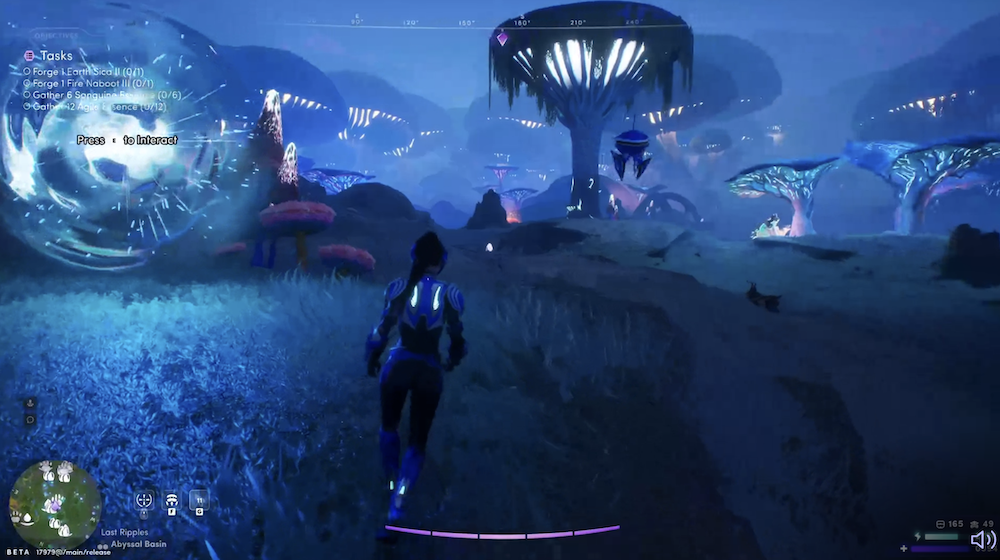
Illuvium is a 3D visually gorgeous recreation that mixes participant versus setting (PvE) and participant versus participant (PvP) mechanics. Gamers accumulate and commerce creatures known as Illuvials, all tokenized as NFTs. That is an instance of how blockchain can add to conventional gaming experiences.
Axie Infinity: The OG Play-to-Earn
Axie Infinity is credited for inventing the play-to-earn mannequin. Gamers earn tokens by gameplay which will be exchanged for real-world worth. The sport has a twin token system: Clean Love Potion (SLP) for in-game actions and Axie Infinity Shards (AXS) for governance. Regardless of consumer retention points, Axie Infinity’s early mover benefit and energetic group have formed the GameFi panorama.
Seraph: Variable Rewards and Engagement
In keeping with Nansen, Seraph stands out by introducing a variable rarity merchandise and loot field system, including a component of shock. This permits gamers to get high-value rewards no matter funding dimension. The sport makes use of NFTs to authenticate uncommon digital property, conserving gamers engaged and constant.
GameFi Metrics
Regardless of the general market decline Nansen reveals that blockchain video games each day buying and selling quantity elevated by 8.94% in August 2024. Listed below are the metrics:
Seraph: 537,000 DAW and 66% 7-day retention
Axie Infinity: $34 million NFT market cap however 154,000 DAW
Illuvium: 200 DAW and $2.8 million NFT market cap
These numbers present current video games nonetheless have worth however new entrants like Seraph are gaining consumer engagement quick.
GameFi Infrastructure
Nansen’s report additionally appears to be like at high GameFi chains, fuel charges, transactions per second (TPS) and scalability – the constructing blocks of NFT-based gaming ecosystems.
Gasoline Charges: opBNB has the bottom median charge at $0.0001; Immutable X has no fuel charges for NFT minting and transfers.
Transactions Per Second: Ronin has 100,000 TPS; opBNB has 10,000 TPS.
Safety: opBNB and Immutable X haven’t any main hacks; Ronin had a giant breach however has since tightened up.
Conclusion: A Decentralized Gaming Future
Nansen’s Web3 Gaming report reveals the business is able to blow. Blockchain is redefining gaming by giving true asset possession and new financial fashions. As RPGs and high-quality titles come out and are supported by good infrastructure and energetic group the way forward for gaming appears to be like increasingly decentralized and player-driven.
Editor’s word: Written with the help of AI – Edited and fact-checked by Jason Newey.

